
Illegal Basement Apartment in Ontario: Fines, Insurance and Resale Risks
An illegal basement apartment is not just a paperwork problem. If you rent out a basement unit that was built without permits and never brought up to code, you are exposed on three fronts at once: municipal fines and enforcement, insurance trouble, and serious problems when you sell. Here is how those risks actually work in Ontario — and what to do about them. Municipal Fines and Enforcement Ontario municipalities can lay charges under property standards, building code, and licensing by-laws. Courts can impose significant fines for each offence, and daily penalties can apply while violations continue. An inspector’s order can require you to obtain a permit retroactively, remove the second kitchen, or stop using the basement as a dwelling altogether. Ignoring an order only escalates the consequences. Exact fine amounts vary by municipality and change over time — published figures conflict and go out of date quickly — so the safest assumption is that your financial exposure is serious. Insurance: The Risk Most Landlords Miss A standard homeowner insurance policy is priced for an owner-occupied home. If you never told your insurer that tenants are living in your basement, the policy does not reflect the risk. After a fire or flood, the insurer can deny the claim — or void the policy entirely for material misrepresentation — leaving you to pay for the damage out of pocket. This applies even if the rental itself had nothing to do with the loss. Resale: What Happens When You Sell When an illegal basement apartment comes to light during a sale, the fallout hits fast. Home inspectors note unpermitted work, buyers’ lawyers flag it, appraisers may not count the unit in the valuation, and lenders can hesitate to finance. Common outcomes include a reduced sale price, a buyer demanding the unit be legalized before closing, or the buyer walking away entirely. A unit that was earning rent quietly can end up costing you far more at resale than it ever earned. Tenant and Liability Risks If a tenant is injured in a unit without proper egress, working smoke alarms, or fire separation, your liability exposure can be severe. And note: renting an illegal unit does not give you any extra rights as a landlord — tenants generally still owe rent, and you cannot use the unit’s illegality as leverage. The Way Out: Legalize It The fix is to bring the unit into compliance: apply for the proper building permit, complete the required code upgrades, and pass the staged inspections. Not every basement can be legalized — ceiling height and egress are common deal-breakers — but many can. The first step is an honest professional assessment of what your basement needs. A team that builds legal basement in Mississauga units day in and day out can tell you quickly whether yours is a candidate and exactly what the path looks like. Don’t wait for an inspection order, an insurance denial, or a collapsed sale to force your hand. Naafy Contracting offers a free consultation to assess your basement and explain your options before the risks become costs.
Finished vs Legal Basement in Ontario
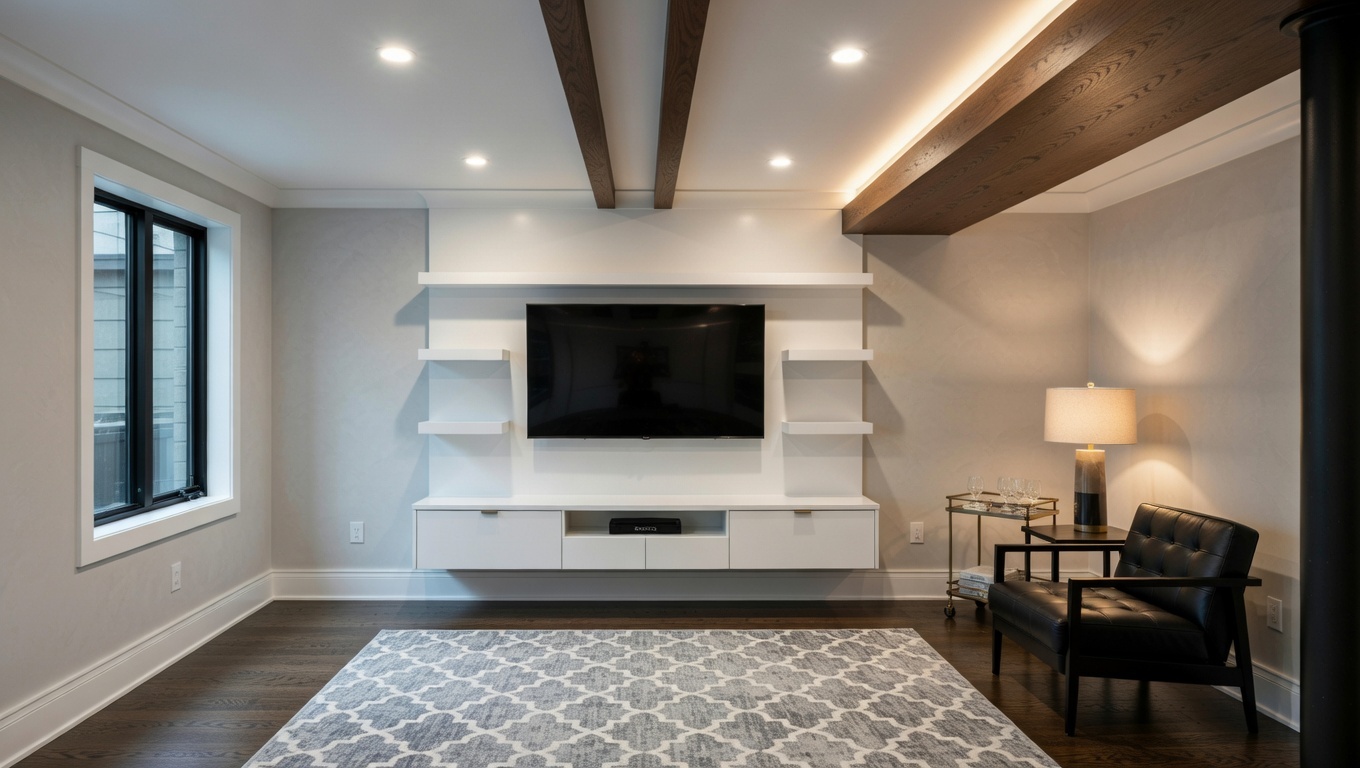
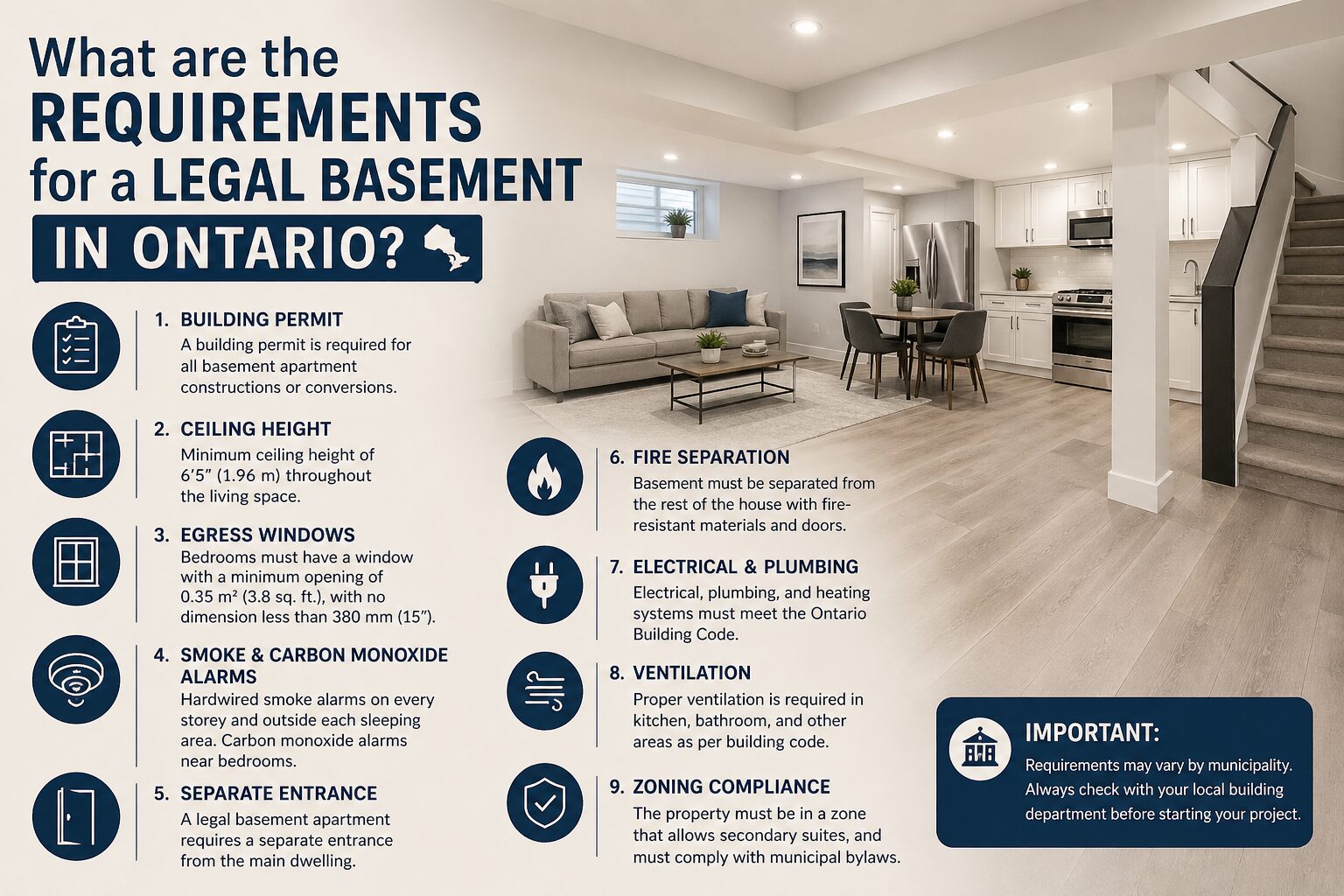
Walk into any home showing and the listing will say “finished basement.” That phrase tells you about carpet, drywall, and light fixtures — not whether the basement was built legally. Across Ontario, the gap between a finished basement and a legal basement is where enforcement, insurance, and resale problems hide. Here is what each term means, why the difference matters, and how to close it. What “Finished Basement” Means A finished basement is a description of appearance and comfort: insulated walls, flooring, a bathroom, maybe a kitchen and a bedroom. It says nothing about permits. Many finished basements were completed by previous owners with no building permit, no inspections, and no regard for the Ontario Building Code. Cosmetically complete does not mean compliant. What “Legal Basement” Means in Ontario A legal basement — a lawful second dwelling unit — means the work was done under a building permit, met the Ontario Building Code and Ontario Fire Code, satisfied municipal zoning, and passed inspections. The core requirements typically include: Adequate ceiling height for a dwelling unit Fire-rated separations between the basement unit and the rest of the house A proper egress window or door in every bedroom Interconnected smoke alarms and carbon monoxide protection Electrical and plumbing work completed under permit and inspected Miss any of these and the unit is not legal, however nice it looks. Why the Difference Matters Renting it out Ontario municipalities can order an illegal unit closed, require a retroactive permit, or demand the removal of the second kitchen. Continued non-compliance can lead to charges and significant fines. Insurance A standard homeowner policy is priced for owner-occupied living. An undeclared basement rental can mean a denied claim — or a voided policy for material misrepresentation — after a fire or flood. Selling your home Home inspectors, buyers’ lawyers, appraisers, and lenders routinely flag unpermitted second units. The result can be a price reduction, a demand to legalize the unit before closing, or a buyer walking away. Safety The code requirements are not red tape: egress windows, fire separation, and interconnected alarms are what give occupants time to escape. An illegal unit can be a genuinely dangerous place to sleep. Can a Finished Basement Become a Legal One? Often, yes. The usual process is a professional assessment of the space against the current code, identification of what can be upgraded and what cannot — ceiling height is a common deal-breaker — followed by permit drawings, the required corrections, and staged inspections. This is the core of what legal basement in Mississauga specialists do: turning finished space into legal, rentable space. Quick Self-Check: Finished or Legal? Ask yourself these questions: Was a building permit ever issued for the basement apartment? Does the basement have a second kitchen that was installed under permit? Are the bedroom windows large enough to escape through? Are the smoke and CO alarms interconnected? Was the electrical work done under permit with inspection sign-off? If you answered “no” or “I don’t know” to most of these, your basement is finished — but probably not legal. Want a straight answer about your basement? Naafy Contracting offers a free consultation to assess your space and explain exactly what it would take to make it legal.
Is My Basement Legal? How to Check in Mississauga
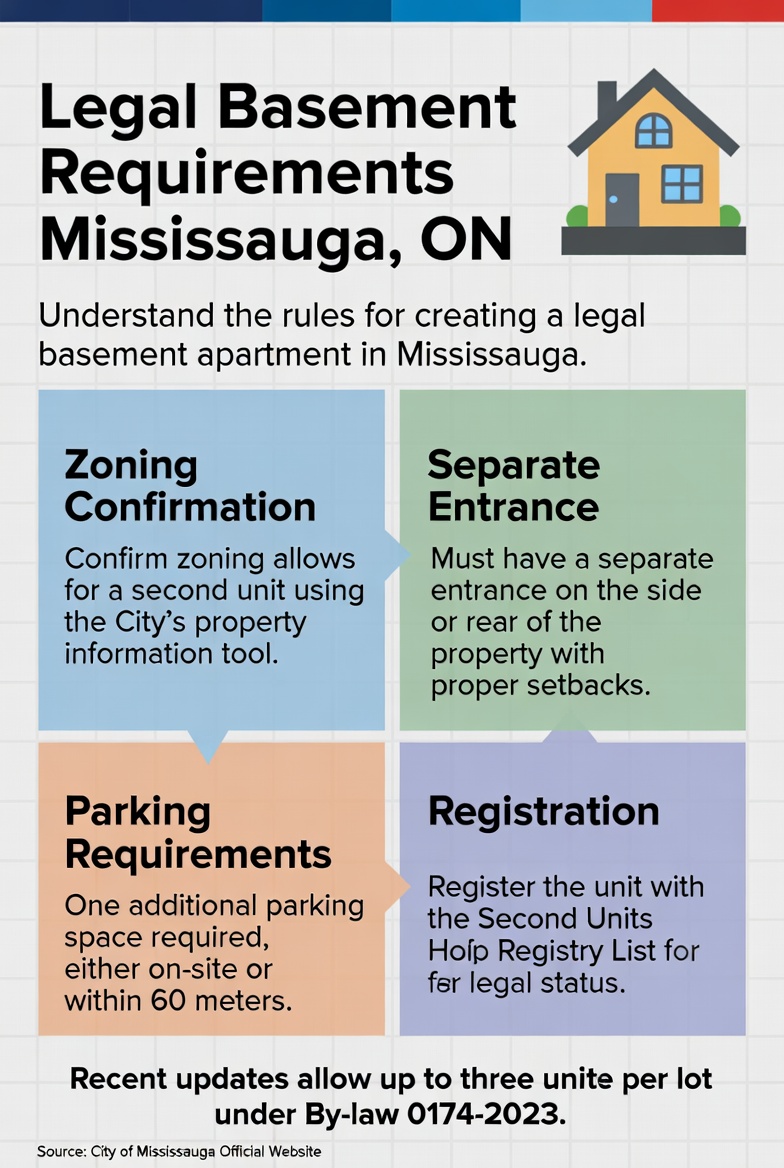
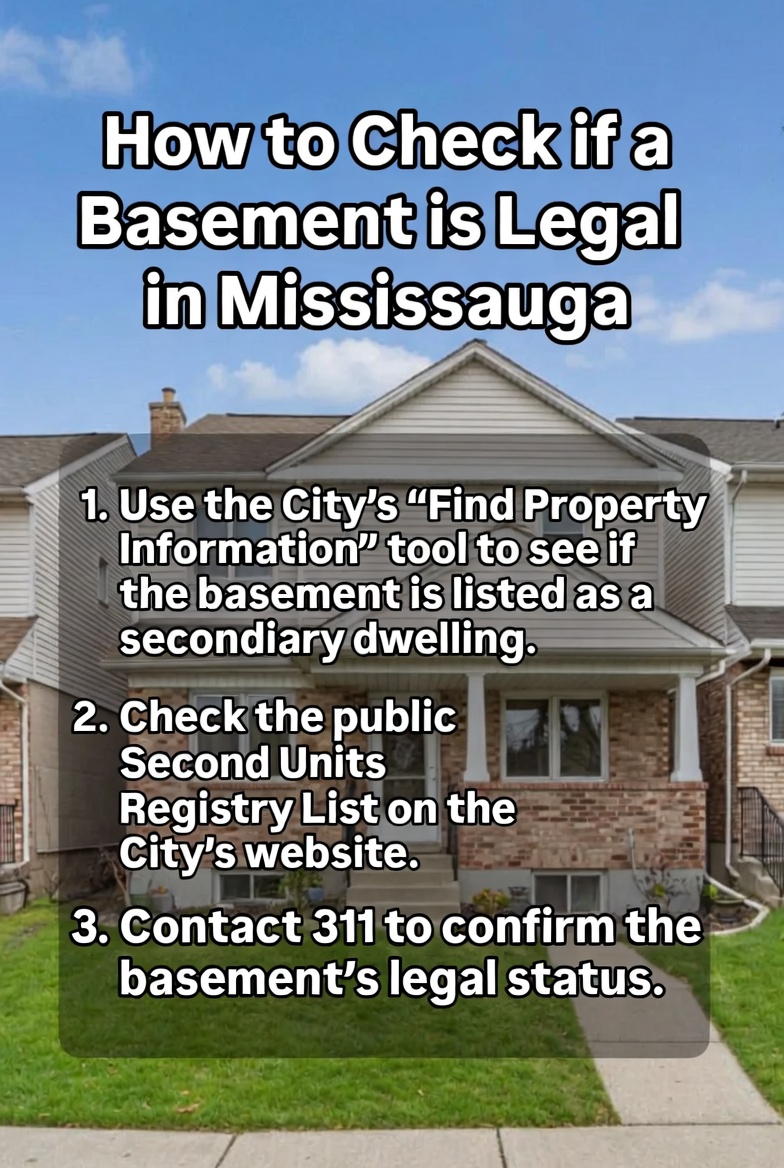
If your basement looks finished, it is easy to assume it is legal — but in Mississauga, the two are not the same. A legal basement apartment must comply with zoning, the Ontario Building Code, and the Ontario Fire Code, and it must have the permits to prove it. Before you rent it out or buy a home that has one, here is how to check whether a basement apartment is legal in Mississauga. The Starting Point: Mississauga’s Second-Unit Rules Mississauga permits second units in detached, semi-detached, and townhouse dwellings, subject to the zoning by-law and the building and fire codes. The hurdle is not a registration — it is code compliance. Many Mississauga basement apartments were built without permits long before today’s rules, and they only become legal once they are brought into compliance and inspected. Step 1 — Search the Building Permit History A legal second unit has a building permit that specifically covers the dwelling unit — not just a permit for finishing a basement as recreation space. Ask the city’s Building Division whether a permit for a second unit was ever issued at your address, and whether final inspection approval was granted. No permit for the basement kitchen, bathroom, or separate entrance is the clearest sign the unit is not legal. Step 2 — Verify Zoning and Property Standards Confirm the property’s zoning permits a second dwelling unit, including requirements around parking and lot configuration. Then check the basics of the unit itself: adequate ceiling height, fire-rated separation between the units, sound transmission protection, and proper egress from bedrooms. Mississauga enforces property standards after complaints, and these are the items inspectors look at. Step 3 — Check Electrical and Fire Safety Ask whether the electrical work was done under permit and inspected by the Electrical Safety Authority. Look for a properly installed panel setup serving the unit, and for smoke alarms and carbon monoxide protection that are interconnected so they all sound together. Do-it-yourself electrical is one of the most common and most dangerous signs of an illegal conversion. Step 4 — Confirm With Your Insurer Tell your home insurer about the rental unit and get confirmation of coverage in writing. An undeclared rental can leave you exposed: if a fire or water damage claim involves an apartment your insurer never knew about, the claim can be denied. This risk exists even if the unit is physically well built. How to Legalize a Basement Apartment in Mississauga Legalizing a basement apartment is a permit-driven renovation: an assessment against the current code, permit drawings, completion of upgrades such as egress, fire separation, and electrical corrections, and staged city inspections. A contractor who builds legal basement in Mississauga units every day can tell you quickly what your basement needs to pass inspection. Wondering whether your basement can be legalized? Naafy Contracting offers a free consultation to assess your space and map out the steps.
Is My Basement Legal? How to Check in Brampton
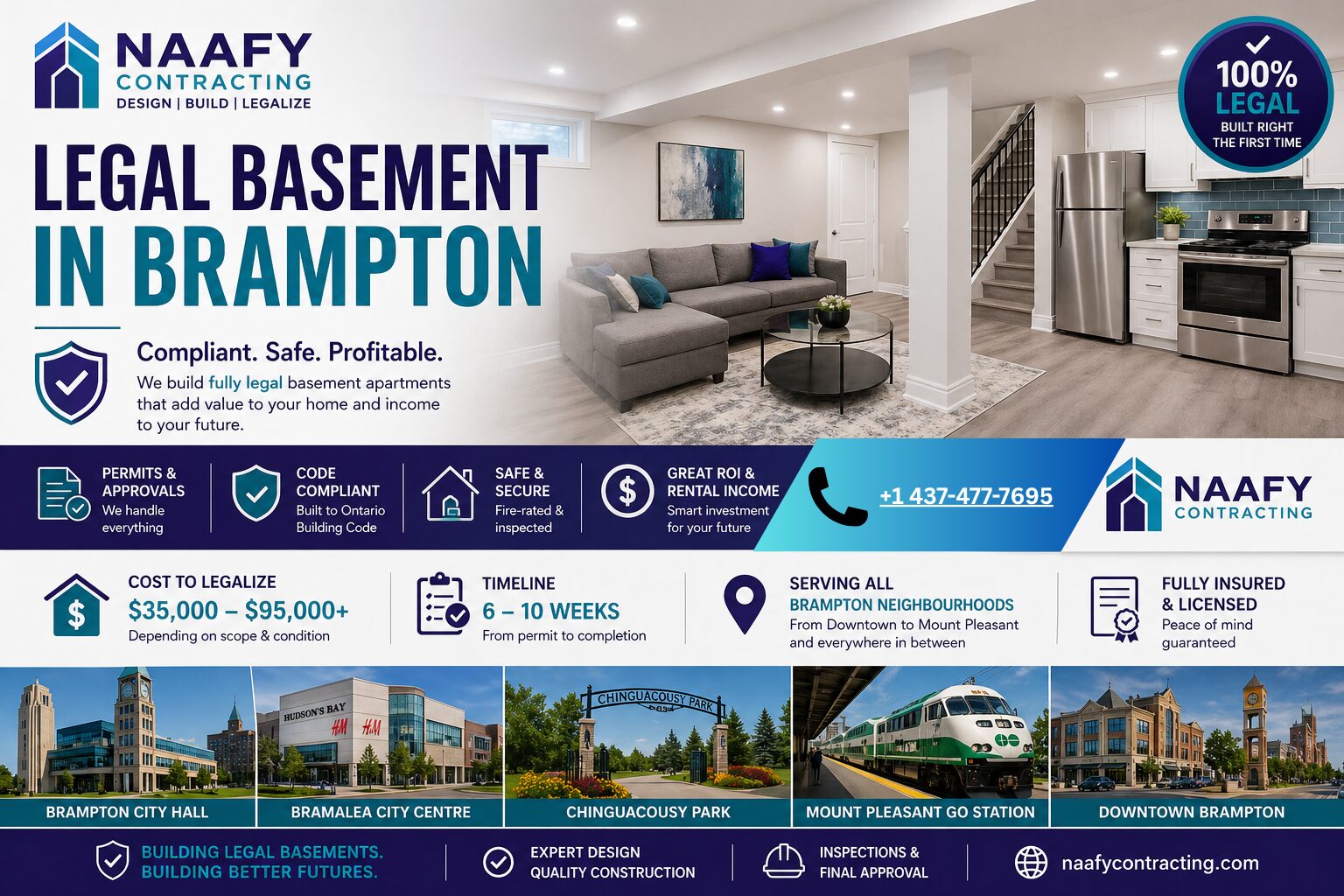
Is My Basement Legal? How to Check in Brampton A beautifully finished basement can still be an illegal apartment. In Brampton, “finished” describes how a basement looks — “legal” describes whether it was built with permits, meets the Ontario Building Code and Fire Code, and is allowed by zoning. Before you rent out a basement unit, or buy a home that has one, here is how to check whether a basement apartment is legal in Brampton. Why This Check Matters An illegal basement apartment can trigger city enforcement, complicate an insurance claim, and become a serious problem when you sell. Brampton enforces against illegal second units, and issues usually surface through neighbour or tenant complaints, routine inspections, or a buyer’s lawyer asking for permits. Finding out where you stand now is always easier than finding out during a sale or an emergency. Step 1 — Check the Building Permit History A legal basement apartment in Brampton starts with a building permit. Contact Brampton’s Building Division or check the city’s permit records and ask whether a permit was ever issued for a second dwelling unit at your address. The absence of a permit for the basement kitchen, bathroom, or separate entrance is a red flag. And keep in mind: a permit for “basement finishing” as recreation space is not the same as a permit for a second dwelling unit. Step 2 — Confirm Zoning Allows a Second Unit Even construction that looks right must be allowed where it sits. Brampton’s zoning by-law sets out where second units are permitted — typically in detached, semi-detached, and townhouse dwellings, subject to conditions such as parking. The city’s planning staff can confirm whether your property’s zoning permits a second dwelling unit before you spend money on anything else. Step 3 — Check the Safety Essentials Walk the unit against the basics of the Ontario Building Code and Fire Code: ceiling height appropriate for the unit; fire separation between the basement unit and the rest of the house; a proper egress window or door in every bedroom; interconnected smoke alarms plus carbon monoxide protection; and electrical work completed under permit with inspection sign-off. If several of these are missing or improvised, the unit was likely never legalized. Step 4 — Look at Property Records and Utility Clues Cross-check secondary clues. Property assessment records sometimes reflect the number of units. A second hydro meter or a separately controlled heating system suggests a conversion happened — legally or not. And your home insurance policy should reflect the rental use: if your insurer does not know about the apartment, that is a problem regardless of permits. What to Do If Your Basement Isn’t Legal Do not panic — many Brampton basements can be legalized. The usual path is an assessment of the space against the current code, a building permit application for the second unit, completion of any required upgrades such as egress, fire separation, and electrical corrections, and then city inspections. Working with a team that specializes in legal basement in Brampton conversions means the drawings, permits, and inspections are handled correctly the first time. Unsure where your basement stands? Naafy Contracting offers a free consultation to review your basement and explain exactly what it would take to make it legal.
Brampton Rental Licence (RRL) 2026: What Every Basement Landlord Must Do Now
Brampton Rental Licence (RRL) 2026: What Every Basement Landlord Must Do Now If you rent out a basement apartment in Brampton, the city’s Residential Rental Licensing (RRL) program has changed the rules. From January 1, 2026, landlords of rental properties with 1–4 units — including basement apartments — need a valid rental licence, city-wide — and getting one means proving your basement is safe, legal, and up to code. Here is what every basement landlord must do now, and the exact steps to get compliant. What Is the Brampton Rental Licence (RRL)? The Residential Rental Licensing program is a City of Brampton program that requires landlords of rental properties with 1–4 units — including basement apartments — to hold a licence before renting, city-wide. The program was introduced to address unsafe housing, overcrowding, and illegal conversions by holding landlords accountable for the condition of their units. Think of the RRL less as paperwork and more as a safety check: the city wants confirmation that your rental unit meets property standards, fire safety, and building code requirements. Who Needs an RRL in 2026? If you rent out a basement apartment — or any part of your home — on a rental property with 1–4 units, you need a licence. That includes landlords who live upstairs and rent the basement, as well as owners of investment properties. Also note that registering your rental unit and getting the licence are two separate steps — one does not automatically cover the other. If you are unsure whether your property is covered, check the city’s current RRL requirements before you assume you are exempt. What the RRL Application Involves While details can evolve, landlords should expect the application to cover proof of ownership and identification, details of the rental unit, and confirmation that the unit meets applicable safety standards. The key part is the inspection: city inspectors check for working smoke and carbon monoxide alarms, safe electrical systems, adequate heating, proper egress, and general property standards. This is where many basement landlords run into trouble. A basement finished without permits — no building permit for the second kitchen, the bathroom, or the separate entrance — will struggle to pass. The RRL does not grandfather in unpermitted work; if anything, it shines a light on it. The RRL and Your Basement’s Legal Status Are Connected Here is the critical point most landlords miss: a rental licence is not the same thing as a legal second unit. Your basement apartment must also be a lawful second dwelling unit under the Ontario Building Code, the Fire Code, and Brampton’s zoning by-law. That means adequate ceiling height, fire separations between units, safe egress windows or doors, and zoning that permits a second unit on your lot. Bringing an unpermitted basement up to standard is exactly what a legal basement in Brampton project involves: proper permits, code-compliant construction, and inspections at every stage. What Happens If You Rent Without a Licence? Operating without a required licence can lead to enforcement action: orders to comply, charges under the city’s licensing by-law, and fines that a court can impose for each offence. Beyond the city, an unlicensed and unpermitted basement carries bigger risks — if there is a fire or a flood, your insurer may question the claim, and tenants can report unsafe conditions to the city at any time. Your Compliance Checklist for 2026 Confirm your property is a rental property with 1–4 units, including any basement apartment. Verify your basement is a lawful second unit: check the building permit history with the city and confirm the zoning permits a second unit. Fix safety gaps first: alarms, egress, electrical, and fire separation. Apply for the licence and prepare for the inspection. Keep records: permits, inspection reports, and the licence itself. Start With the Basement, Not the Paperwork Landlords who apply first and fix later often lose months to re-inspections. The smoothest path is to make the unit genuinely compliant — permitted, inspected, and code-legal — and then let the licence application be a formality. If your basement was finished without permits, have it assessed against the current code so you know exactly what the permit path looks like before you apply. Questions about your basement or the RRL? Naafy Contracting offers a free consultation to review your situation and map out the path to a compliant, licensable basement apartment.